
The Gutenberg Bible The volume from the Diocesan Museum in Pelpin ranks among the most precious and intriguing surviving manuscripts globally. Originally, in 1502, Bishop Nicolaus Crapitz of Warmia presented this manuscript to the Franciscan Reform Convent in Lubawa, where it remained until the 1800s. Following the closure of that convent, it was transferred to the Seminary Library in Pelplin.
Currently, this invaluable volume—one of the first publications by the renowned printer Gutenberg—is exhibited in Warsaw. Its significance lies not only in its completeness, as both parts are present, but also because most of its pages have survived over time. Additionally, it retains its authentic 15th-century cover.
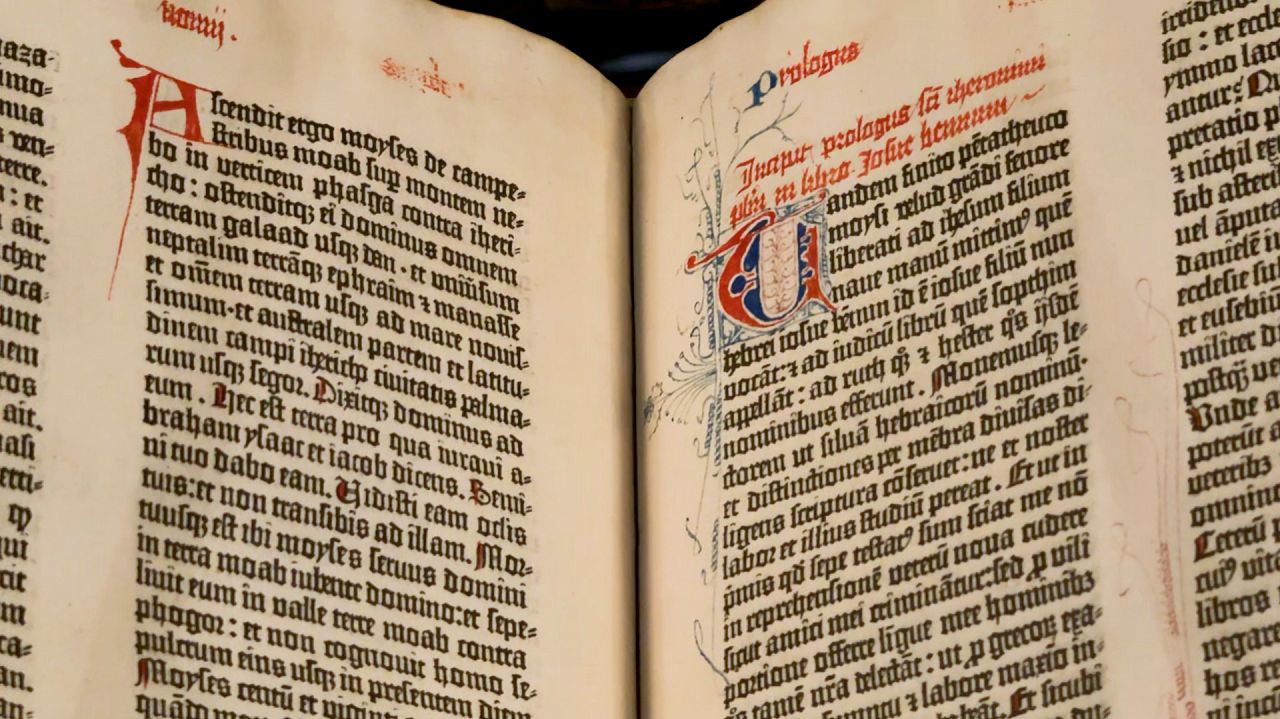
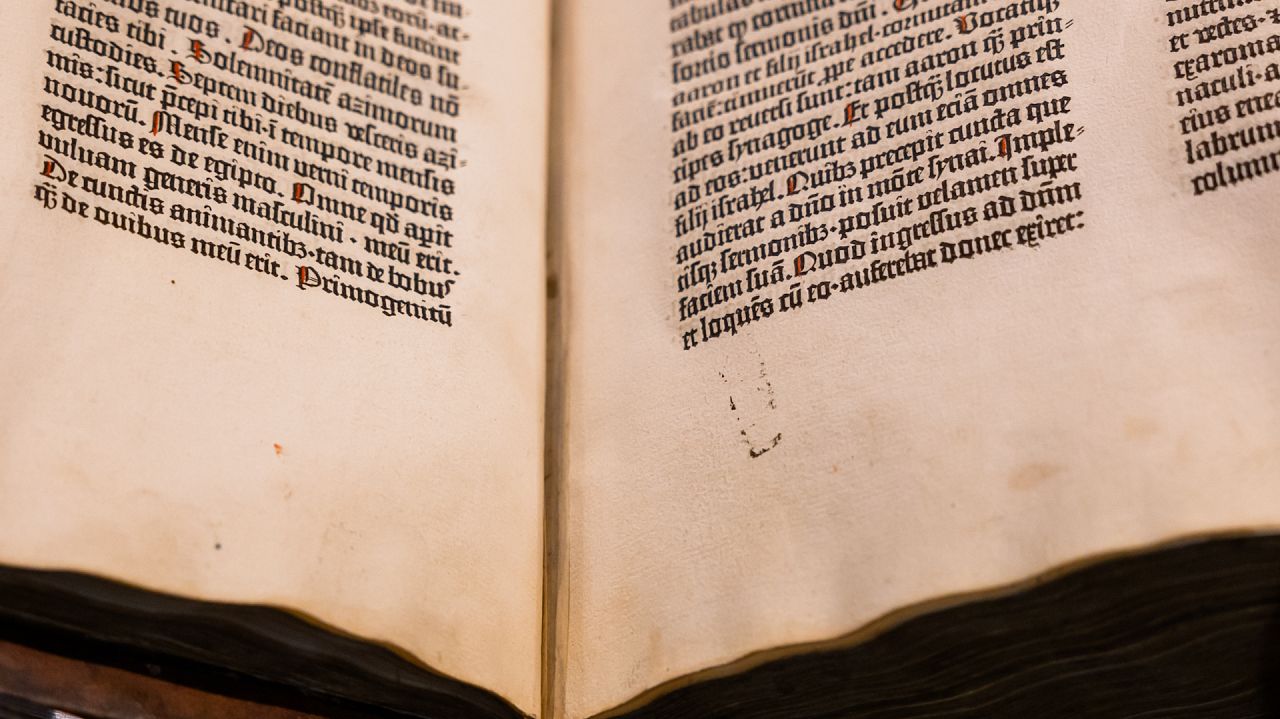
Even though this book was published centuries ago, it continues to play a role in contemporary historical findings. A small printing flaw in one of the initial volumes provided scholars with insights into Gutenberg’s techniques. This error occurred because a character had become dislodged from its position within the typesetting. Consequently, these revelations shed light on the development of movable type technology, which is widely regarded as one of history’s pivotal innovations.
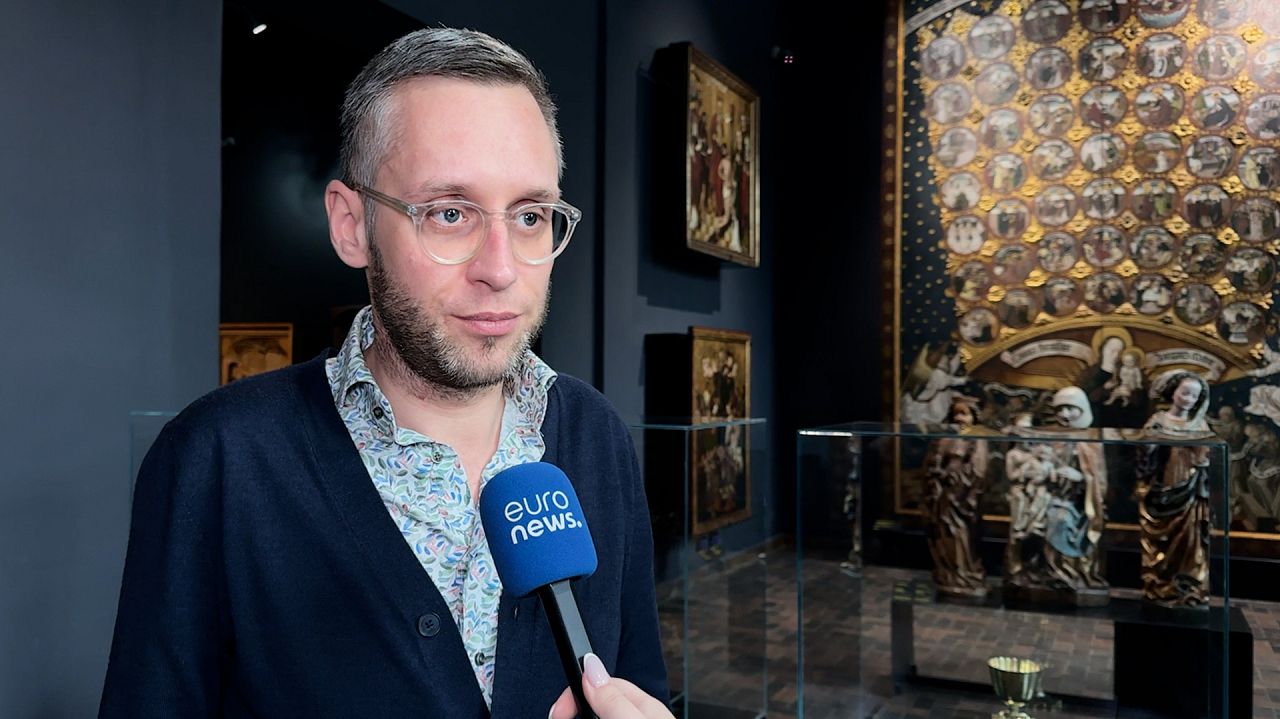
The concept of movable type was groundbreaking as it enabled the rapid production of numerous exact replicas of a single book. This invention facilitated the spread of printing techniques across Europe, making Johannes Gutenberg’s contribution a significant milestone. However, it must be noted that during the 15th century in Europe, there was an interest in printing images and texts; however, this did not yet involve using movable type, according to Marcin Bogusz, who curates the exhibit.
Back to the National Museum
Despite its renown and significant global worth, fate did not consistently favor the ancient tome. Amidst the looming threat of war in 1939, the book was transported to Canada through Warsaw, Paris, and Great Britain for safekeeping.
"It was transported to Canada, where it was stored in a bank vault alongside other culturally and historically significant items from Poland, including the manuscript of Gallus Anonymus’ chronicle and royal regalia. It remained there until the late 1950s when it was returned to Poland," Bogusz notes.
It came back to Poland in 1959, yet prior to being returned to Pelplin, its place of origin, it was exhibited for multiple days at the National Museum in Warsaw.
Preserving the unique work
To properly handle the distinctive task of exhibiting the Gutenberg Bible, meticulous preparations were essential. A bulletproof, climate-controlled showcase ensures optimal preservation conditions for the artifact with temperatures kept between approximately 20-23°C and relative humidity maintained at levels from 45% to 55%.
"Due to this, even the most fragile material, such as paper, functions properly without suffering damage," says curator Marcin Bogusz.
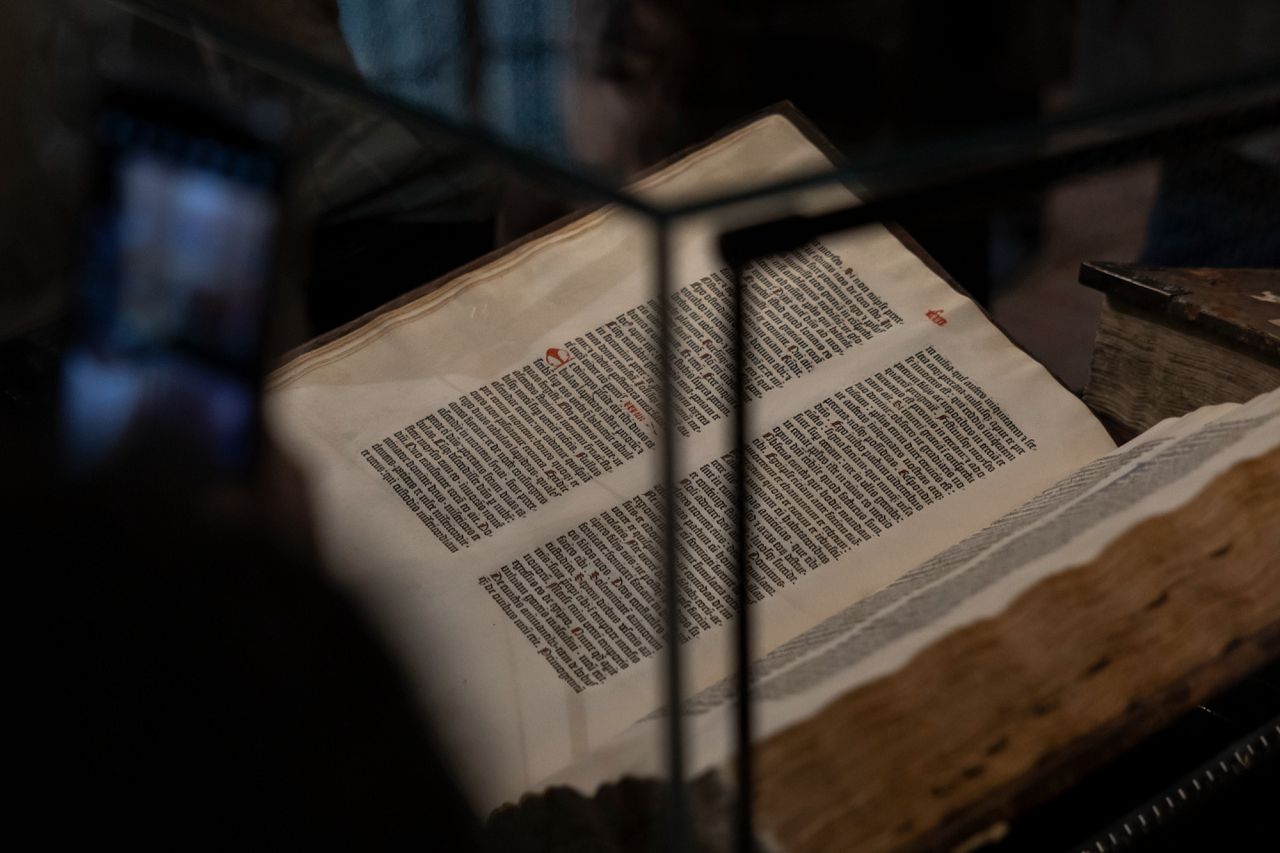
The rules governing how the book may be displayed are strict as well. The Bible can only be shown for up to 60 days annually, using minimal artificial lighting—and must remain shielded from the damaging ultraviolet rays of direct sunlight.
Richly handwritten pages are highly susceptible to damage from light exposure. Due to the dedication of art conservators, adhering to these guidelines ensures that specialists can safeguard this distinctive relic of European heritage for coming ages.
An exploration into the world of literature and texts
The exhibition featuring the Bible is complemented by a themed trail focusing on the late medieval era’s written and print cultures. This guided journey will take guests through depictions of books in paintings and sculptures, alongside scenes of individuals engaged in reading or writing activities, and an array of inscriptions serving different purposes.
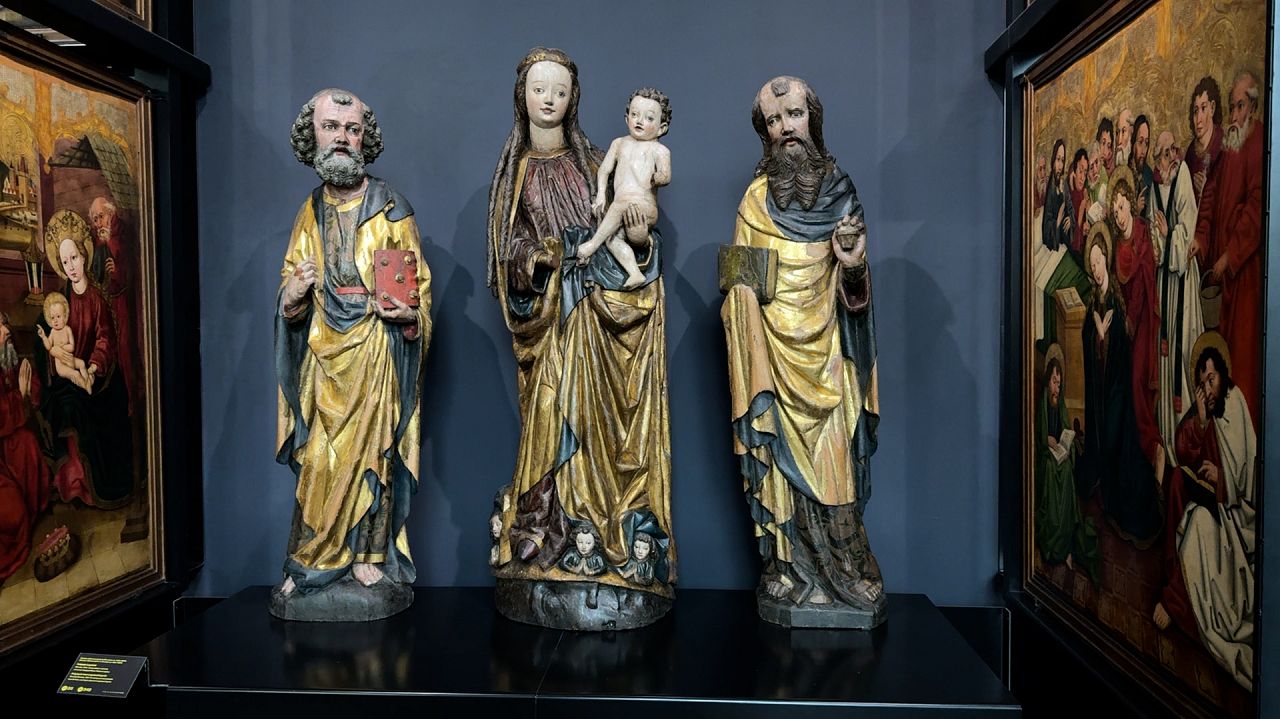
Pictures of individuals holding manuscripts along with texts painted in medieval artworks aim to assist viewers in grasping the significance of books during those times.
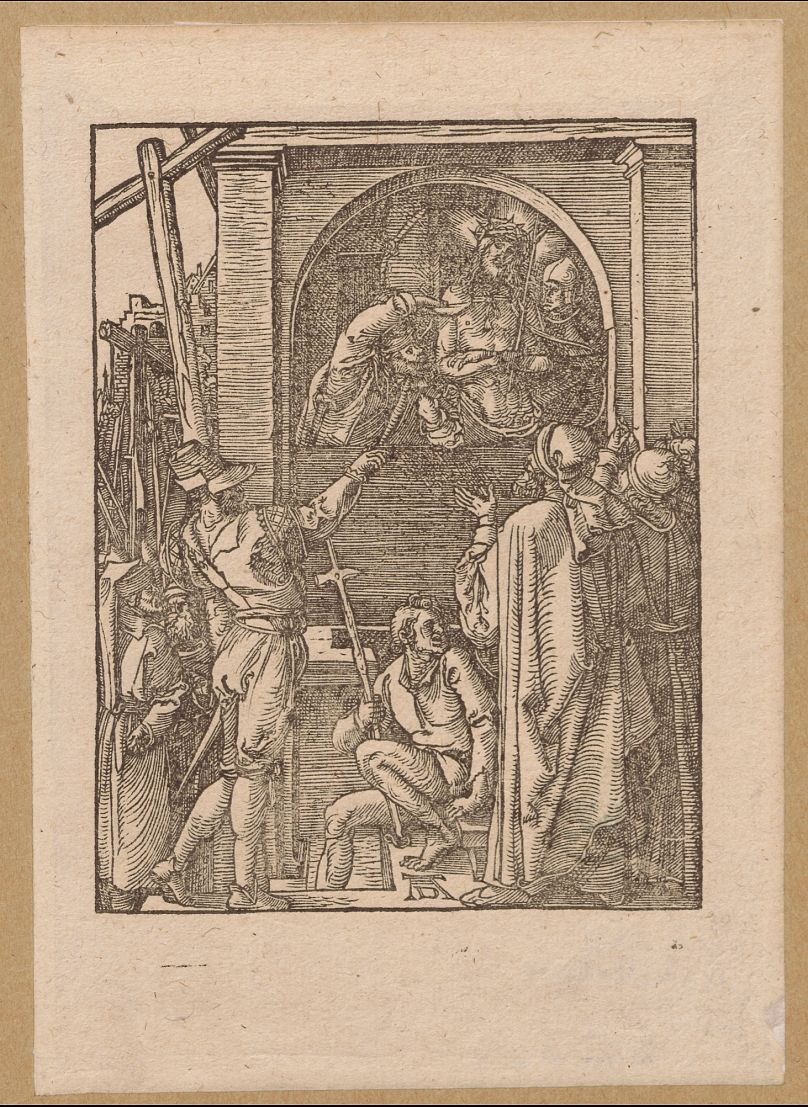
However, beyond shaping how we engage with literature, writings, and media, the Gutenberg Bible also influenced significant developments in the realm of visual arts. At that time, artists embraced prints—a cutting-edge technology—to produce their artworks.
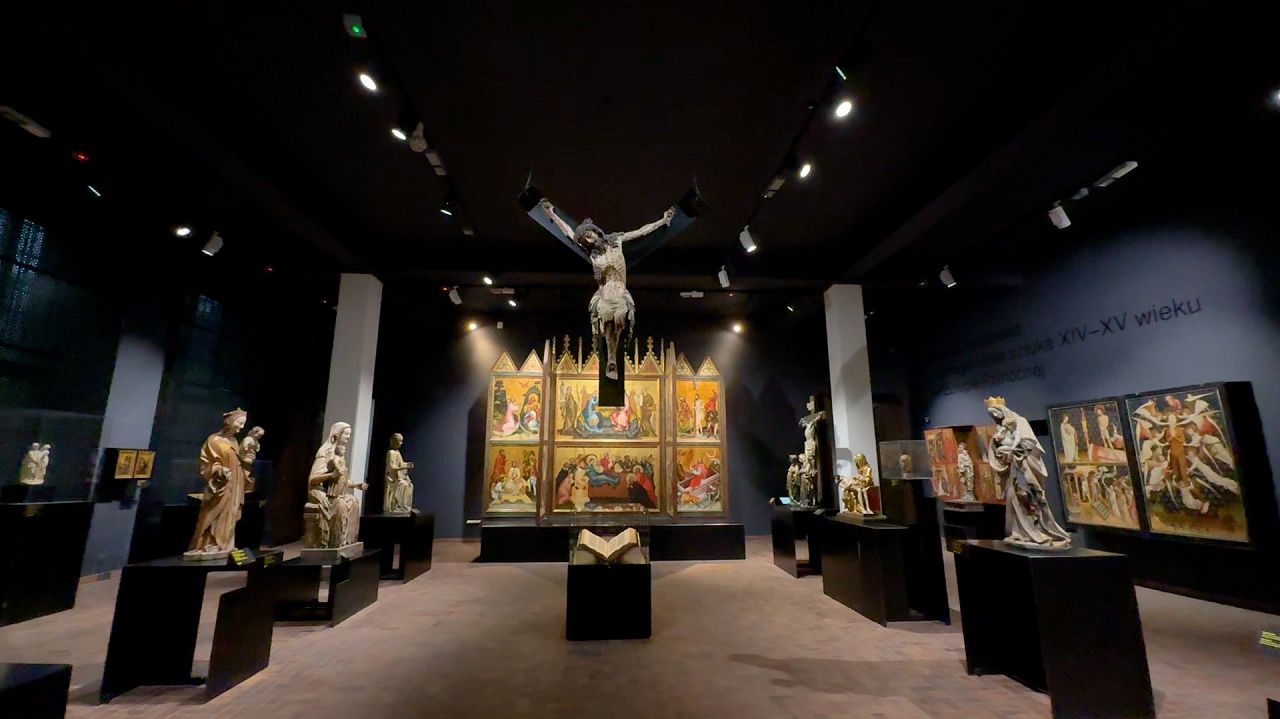
"Even though it was acknowledged that in ancient studios, artists would create their own compositions, as was customary in earlier periods of art, it was also standard practice for them to utilize copperplate or woodcut imagery, reproducing these within their work. The immense popularity of etchings by Martin Schongauer or Albrecht Dürer underscores just how widespread printmaking became during the transition from the Late Middle Ages into the Renaissance," notes the curator.
Monuments in the Medieval Gallery that were impacted by Gutenberg’s contributions have been identified using a specific emblem.
People who know the other artworks in the gallery can now appreciate how this valuable book influenced numerous contemporary creations.