
Learning how to grow watermelons in your backyard can be incredibly satisfying, offering delicious, succulent fruit right at home. The process simply involves Get the soil ready, plant your seeds, and take good care of your watermelon plants.
Key takeaways
- Watermelons grow best in loamy, sandy soils that drain well and have a slightly acidic to neutral pH level between 6.0 and 7.5.
- They flourish in temperatures ranging from 20–30°C and an annual precipitation of 600–1,200 millimeters, necessitating additional watering to maintain adequate moisture levels.
- Selecting premium hybrid varieties such as Sweet Rose F1, Crimson Sweet, and Sugar Baby enhances both crop output and produce quality.
- The ideal time to plant is in February or March to ensure optimum development and profitable yields, with crops typically taking between 3 to 4 months to mature.
- Manure from cows, along with fertilizers such as DAP and Polysulphate, promote plant growth. Adequate watering and good soil drainage help avoid issues like splitting and hindered development.
Optimal soil type for growing watermelons
Watermelons flourish in loamy, sandy soils with excellent drainage. They may have difficulty growing in heavy clay soil that doesn’t drain properly. Moreover, these plants favor somewhat acidic to neutral conditions. soil pH ranging between 6.0 and 7.5 .
Climate requirements for watermelon
Watermelons can thrive at elevations as high as 1,500 meters above sea level; however, lowlands offer the most suitable growing conditions. This crop thrives in temperatures ranging from 20 and 30 degrees Celsius and annual precipitation ranging from 600 to 1,200 millimeters Irrigation is crucial for maintaining uniform moisture levels.
Watermelon seed selection
To ensure an abundant yield, selecting the appropriate type of seed is essential. Popular types of watermelons consist of Sweet Rose F1, Crimson Sweet, Sugar Baby, Kubwa F1, Zuri F1, and Sukari F1. Many farmers opt for hybrid seeds due to their superior fruit production. These seeds are available at agricultural veterinary stores and dealer outlets.
How to Cultivate Watermelons for Novices
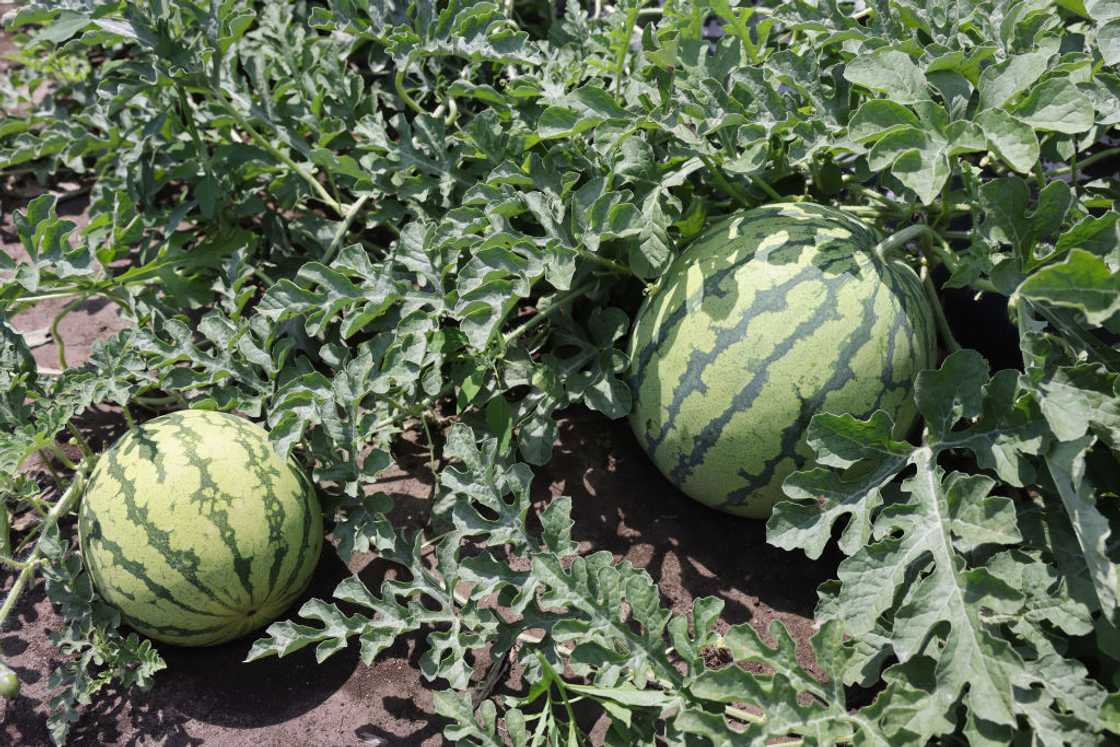
Watermelons flourish in regions with warm climates. When planting them, choose a location that receives ample sunlight and has soil that drains well. Below is a beginner’s guide on cultivating watermelons:
1. Select a Sunny Spot: Ensure your garden area gets at least six hours of direct sun daily.
2. Well-Draining Soil: Make sure the ground isn’t prone to standing water after rainfall.
3. Prepare the Bed: Loosen the earth deeply before adding compost for nutrients.
4. Planting Time: Sow seeds once temperatures consistently stay above 70°F (around late spring).
5. Water Regularly: Keep the plants hydrated but avoid overwatering which can cause root rot.
6. Monitor Growth: Watch out for pests and diseases; take appropriate measures promptly.
7. Harvest Carefully: Wait until the melon sounds hollow when tapped, usually around three months from sowing.
- The spacing between rows of space should be maintained at 3 to 6 feet, with each plant being 3 to 4 feet apart from one another.
- Create holes that are approximately two times wider and deeper than the root ball.
- Include aged manure or compost in each planting hole.
- Insert a seedling into each hole and carefully bury the roots with dirt.
- Thoroughly water the young plants to assist their acclimatization.
- Ensure the soil remains evenly damp without becoming saturated; watermelons require approximately one inch of water each week, whether through rainfall or irrigation.
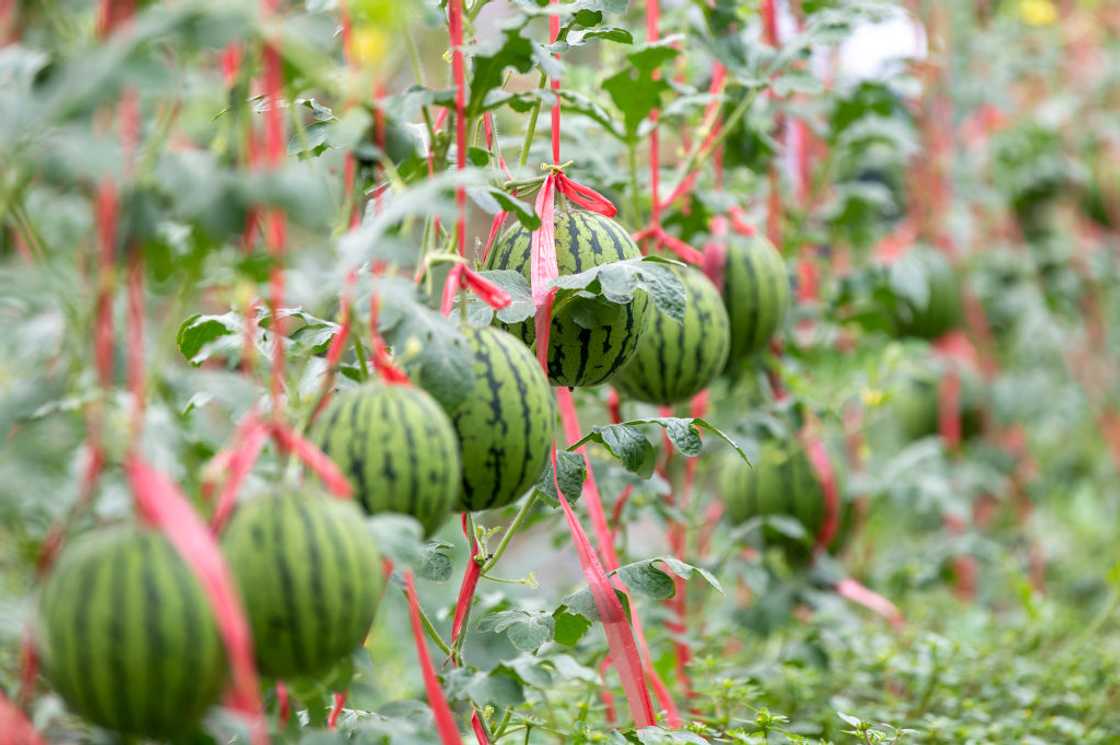
- You can help the plants by using a trellis or stakes to keep the fruit off the ground.
What is the most suitable month for planting watermelons?
March typically offers favorable conditions for growing melons, providing ideal circumstances when combined with proper irrigation. Nevertheless, due to potential water constraints, sowing seeds in February guarantees better financial returns since the market won’t be oversaturated from April through May.
What is the growth period for watermelons?
Watermelons typically take 3 to 4 months To reach maturity post-planting, the timing varies based on the type and surrounding conditions. Determining when a watermelon is primed for harvesting might pose challenges. Inspect the underside of the fruit for a patch that’s creamy or vividly yellow; should this area appear white or light green instead, it signifies that the melon isn’t fully ripened yet.
Moreover, inspect the curved tendril nearest to the melon on the vine; once it wilts and becomes brown, the melon ought to be ripe. Following harvest, watermelons can remain fresh for slightly more than seven days at room temperature or approximately two weeks when kept in the refrigerator.
FAQs about watermelon farming
- To accelerate the growth of watermelons, maintain a steady watering schedule. Using drip irrigation or a soaker hose will yield the most effective outcomes.
- Why have watermelons ceased growing? Watermelon growth may be halted due to dense or clay-rich soil lacking adequate drainage.
- What fertilizer enhances the size of watermelons? Watermelon size and quality can be improved using Polysulphate fertilizer.
- Yes, cow manure benefits watermelons. Research indicates that both cattle manure and synthetic fertilizers enhance the quality of watermelon produce.
- What causes watermelons to split as they grow? Watermelons can split during growth due to inconsistent watering, specifically when there is an abrupt increase in water supply.
- Yes, DAP fertilizer is beneficial for growing watermelons as it provides high levels of phosphorus, promoting robust root growth.
- To accelerate watermelon growth, you can plant them on small mounds or raised beds. This hilling technique boosts germination rates, encourages quicker development, and enhances drainage in the soil.
Final word
To grow watermelons effectively, ensure you follow the correct procedures, starting from choosing a spot that receives ample sunlight and has good drainage down to keeping the soil evenly moist. This approach will lead to a more bountiful yield. Regardless of whether you’re new to farming or a seasoned pro, these instructions offer a robust basis for cultivating this crop.
CDRNEWS.co.ke has shared an article on tomato farming in Kenya. The country offers a perfect setting for cultivating tomatoes throughout the year. These fruits are essential in Kenyan cooking, commonly utilized in numerous recipes and condiments.
Growing tomatoes helps sustain local communities and increases earnings via both home and international sales. Should you be considering tomato cultivation, review this piece for comprehensive guidance.